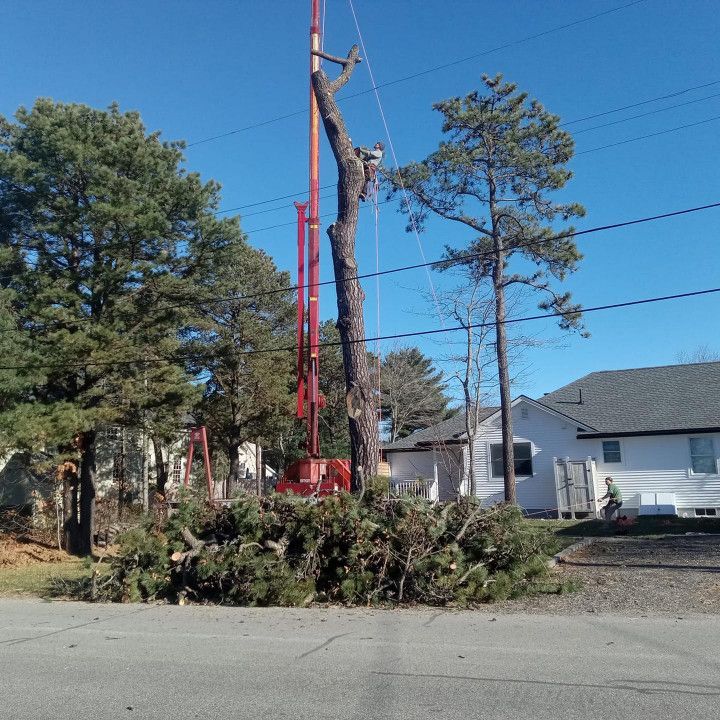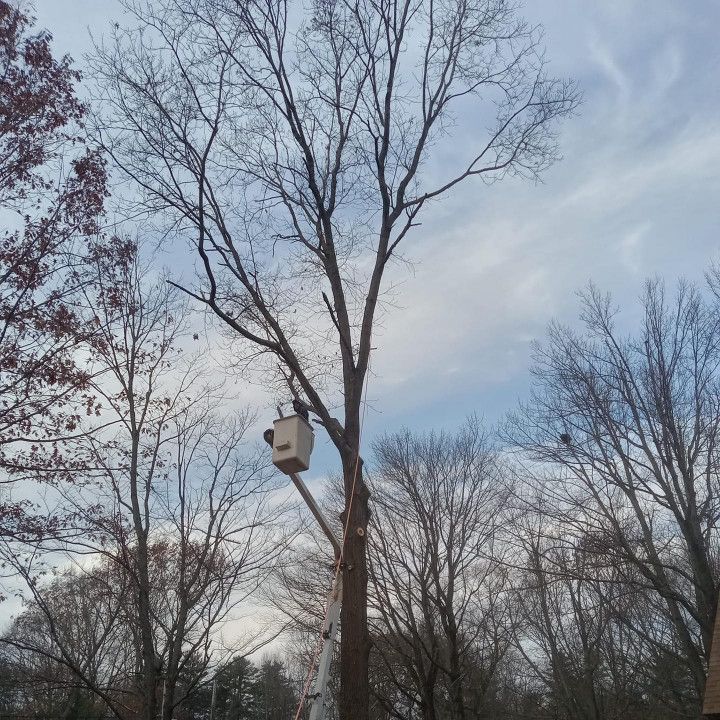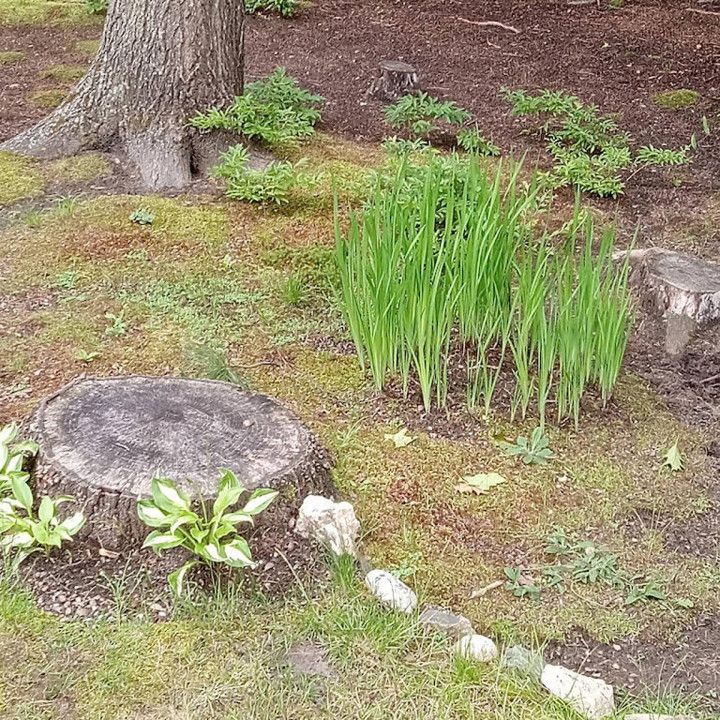
Understanding Stump Grinding Benefits in Saco, ME
Stump grinding in Saco, ME eliminates unsightly tree remnants and reclaims yard space by grinding stumps several inches below soil level, preventing regrowth and creating a clean slate for landscaping or construction projects.
What Makes Stump Grinding More Effective Than Other Removal Methods?
Mechanical grinding removes the entire visible stump and major roots quickly without the prolonged decay period required by chemical treatments or the excavation damage caused by digging.
Chemical stump removers take months to soften wood enough for manual removal and leave toxic residue in soil. Excavation tears up surrounding lawn areas and risks damaging underground utilities or nearby tree roots. Grinding completes the job in hours rather than months while minimizing landscape disruption.
The process produces mulch that can enhance garden beds rather than creating disposal problems. Professional equipment reaches depths that prevent sprouting without creating the large holes that excavation leaves behind.
How Do Stumps Affect Property Value and Usability?
Visible stumps reduce curb appeal, limit mowing patterns, and create obstacles that make yard maintenance difficult and time-consuming while posing trip hazards for family and visitors.
Potential buyers view stumps as deferred maintenance that signals neglect of the overall property. The presence of multiple stumps suggests extensive tree loss that may indicate disease problems or poor landscape management. Removing stumps before listing a property eliminates these negative impressions and showcases usable yard space.
Stumps prevent installation of play equipment, sheds, patios, and other improvements that enhance property functionality. The hidden root systems spreading underground can interfere with drainage solutions and foundation work. For residents considering paving services in Saco , clearing stumps from driveway expansion areas is often the first step in property improvement projects.
Which Stump Characteristics Affect Grinding Difficulty?
Stump diameter, wood hardness, root spread, and surrounding obstacles determine grinding time and equipment requirements, with larger hardwood stumps requiring more extensive work than small softwood specimens.
Oak, maple, and beech stumps contain dense wood that dulls cutting teeth faster than pine or poplar. Stumps with extensive surface roots spreading across the lawn require additional grinding time to eliminate trip hazards completely. Access limitations such as narrow gates or overhead branches may restrict equipment options and increase labor requirements.
Recently cut stumps grind more easily than those that have begun to decay and developed hollow sections. The age of the stump affects how readily the wood chips separate and how much settling occurs after grinding.
Can Grinding Damage Lawn or Garden Areas?
Professional operators use tracked equipment that distributes weight to minimize turf damage and employ barriers to contain wood chips, protecting surrounding landscape features from debris.
Careful equipment placement and controlled grinding techniques prevent collateral damage to ornamental plantings, irrigation systems, and lawn areas. Operators adjust grinding depth based on future use plans, going deeper for areas that will be paved and shallower for sections that will be re-planted with grass.
The surrounding soil remains intact and undisturbed, which allows quick recovery of adjacent turf areas. Any minor surface disruption from equipment tracks heals rapidly with normal lawn care practices.
Do Saco's Soil Conditions Impact Stump Removal?
Sandy loam soils common along the Saco River allow easier grinding and faster drainage of the resulting depression, while heavier clay areas in other neighborhoods retain more moisture and require amended backfill.
Properties near the river often have higher water tables that create muddy conditions during spring thaw and after heavy rains. Timing grinding projects during drier periods ensures better access and cleaner results. The soil type affects how much settling occurs after grinding and what amendments are needed for successful re-vegetation.
Riverside properties may have stumps with extensive lateral root systems that adapted to seasonal flooding patterns. These require additional grinding attention to prevent sprouting from roots that extend well beyond the main trunk.
When Should You Replace a Ground Stump Area?
Immediate filling with topsoil and seed or sod allows quickest restoration, though allowing wood chips to settle for several weeks prevents depressions that develop as chips decompose.
For areas that will remain lawn, mixing chips into the surrounding soil and topping with fresh soil creates good growing conditions. Sections planned for hardscaping should have all chips removed and the cavity filled with compactable material to prevent future settling under pavement or structures.
Native seed mixes establish better than single-species lawns in areas with decaying wood chips that temporarily tie up nitrogen. Homeowners researching tree removal services in Saco often coordinate stump grinding with the initial tree work to streamline landscape restoration.
Removing stumps enhances safety, appearance, and usability across your entire property. Two Daughters Trees & Driveways provides thorough stump grinding with complete site cleanup and restoration guidance. Explore your stump removal options by calling 207-555-0142 to receive a detailed assessment and timeline.